
// FOUNDRY5
Machine Learning

MODELS TRAINEDON YOUR DATA.NOT A DEMO SET.

Machine learning development UK businesses can put into production: recommendation systems, predictive models, classification, anomaly detection, and NLP built as production systems with the data pipeline, the evaluation, and the monitoring that keep them working after launch.

Machine Learning visual
6-12 wksTypical ML build
Wk 1Data feasibility answer
0Black-box deployments
100%Model and code ownership
The problem

Most machine learning development UK companies fund dies between the notebook and production.

01

A model that never leaves the notebook.

The accuracy looked good on a clean sample and everyone was pleased. Then it needed a data pipeline, a serving layer, monitoring, and someone to own it, and none of that was scoped. The notebook is still in a repo somewhere. Nothing about the business changed.

02

The data was never going to support it.

Machine learning is a data problem long before it is a modelling problem. Not enough examples, no labels, leakage between train and test, or a target variable nobody agreed on. Teams discover this in month three, after the budget is committed, instead of in week one when it is cheap to know.

03

It quietly gets worse and nobody notices.

A model deployed without drift detection degrades as the world moves away from its training data. Fraud patterns change, users change, the catalogue changes. Performance decays month over month and the first person to notice is usually a customer, not your dashboard.

Our machine learning development reaches production, with the pipeline and monitoring that keep the model honest afterwards.

See what you get →
What you get

Not a notebook. A system that runs.

Every build ships with the same core package. It is the baseline any machine learning development UK businesses pay for should meet, whether it recommends, predicts, classifies, or flags anomalies.

Data feasibility assessment

Whether your data can support the model you want, delivered in week one. Volume, labels, leakage, bias, and the target variable, examined before anyone trains anything.

Production data pipeline

Ingestion, cleaning, feature engineering, and versioning, running on a schedule rather than on someone's laptop.

Trained and evaluated model

Benchmarked against a baseline you can understand, on a holdout set that reflects reality, with the metrics that matter to the business rather than to a leaderboard.

Serving infrastructure

Deployed for batch or real-time inference with latency targets, versioning, and rollback when a new model underperforms.

Monitoring and drift detection

Performance tracked in production against live outcomes, with alerts when the model degrades rather than a quiet decline nobody sees.

Documentation and handover

How the model works, what it assumes, how it fails, and how to retrain it. Written so your team can own it after we leave.

How we build

From dataset to deployed model. Here is exactly how.

#PhaseWhat happensWhen
01Data feasibilityWe look at your data before we promise anything: how much there is, whether it is labelled, whether the signal you want is actually in it. If it is not, you find out in week one and we tell you what would have to change.Week 1
02Baseline and prototypeA simple baseline first, because it is often better than expected and it makes every later result meaningful. Then the real candidates, evaluated on a holdout set that reflects production, not a lucky split.Weeks 2-4
03Data pipeline and trainingIngestion, feature engineering, and a reproducible training pipeline. Runs on a schedule, versioned, so retraining is a routine job rather than a research project.Weeks 4-7
04Serving and integrationThe model deployed behind an API or as a batch job, integrated into your product, with latency targets, versioning, and a rollback path when a new model underperforms.Weeks 7-10
05Monitor and retrainLive performance tracked against real outcomes, with drift detection and alerting. When the world moves, you know before your customers tell you.Ongoing
Our stack

Tools chosen for the job, not the hype.

Core
Pythonscikit-learnpandasNumPy
Deep learning
PyTorchTensorFlowHugging Face
Cloud ML
AWS SageMakerGCP Vertex AIDatabricks
Data
AirflowdbtPostgresFeature Stores
Serving
FastAPIDockerKubernetesBatch & Real-time
Monitoring
MLflowDrift DetectionCustom Dashboards
Is this the right fit

We are direct about who we work best with.

This is right for you if

You have data and a decision it should be informing.

  • You have historical data and a repeated decision that is currently made by rules or by instinct
  • You need recommendations, predictions, classification, or anomaly detection inside a real product
  • You have a model that works in a notebook and needs to become a system
  • You need someone who will tell you in week one if your data cannot support the model
  • You want machine learning development UK auditors will accept, with training data that stays in-region
  • You want the model, the pipeline, and the documentation to be yours at the end
Probably not the right fit if

You want something we cannot do well.

  • You want machine learning in the roadmap without a decision it would change
  • You need original research or a novel model architecture invented from scratch
  • You have no historical data and no way to collect any
  • You want the model without the data pipeline or the monitoring that keeps it working

If any of these describe you, we will tell you on the first call rather than waste your time or ours.

What founders say

Results over promises.

David

David

Founder at Seconddate

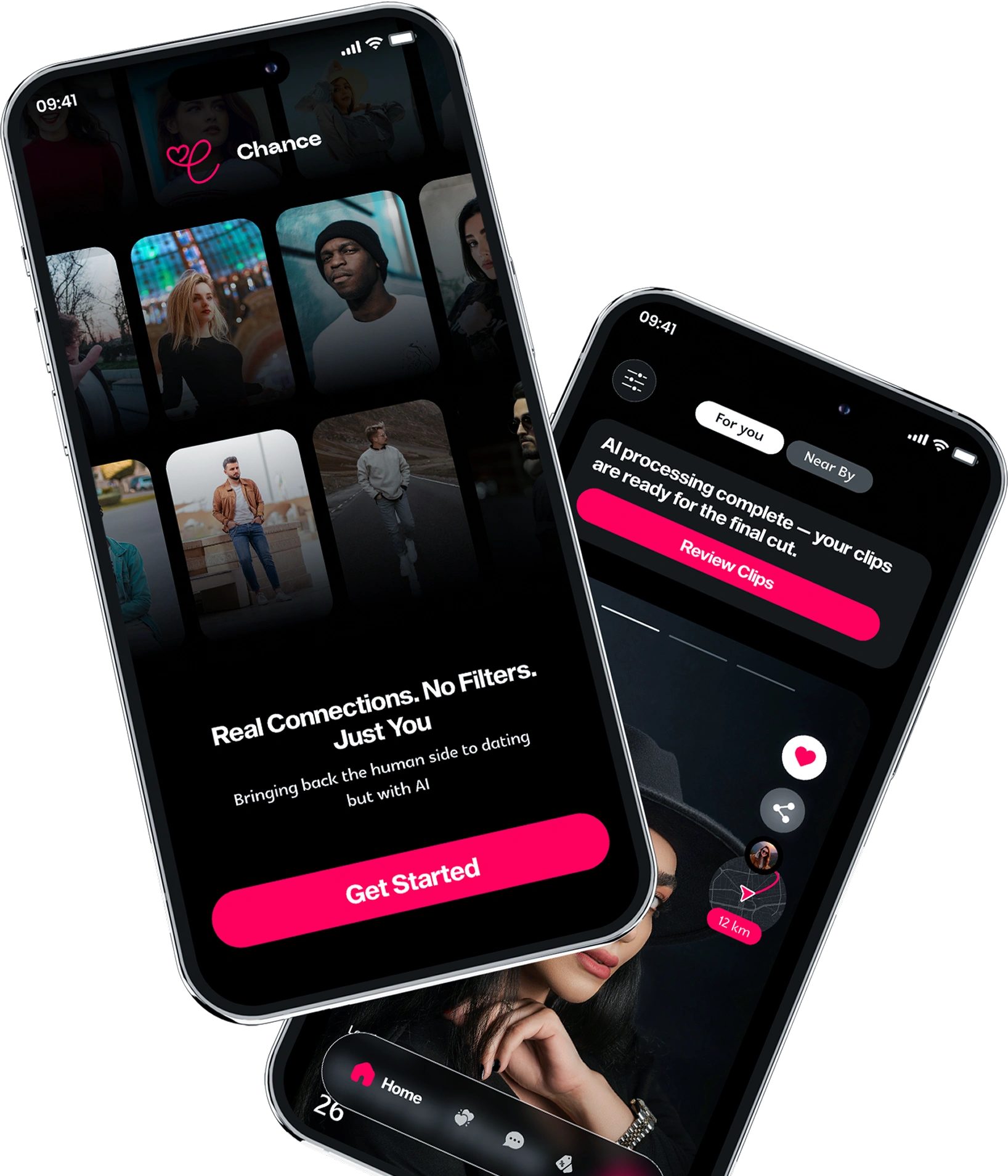
Foundry 5 really impressed me with their work on my AI-powered dating app. They nailed the UI/UX, starting with core app screens and then translating that vision to the web. The React site they built is sleek and polished - exactly what I was hoping for. What I appreciated most was their thoughtful approach and how easy they were to work with. They got the job done without needing me to micromanage.


Phil Blows

Phil Blows

CEO at StreaksAI

Foundry 5 surpassed all expectations in delivering our web development product swiftly and flawlessly. Their speed and eye for detail, especially under tight time constraints, showcase their commitment to excellence.

Liam Farley

Liam Farley

CEO, Xcelsior Capital

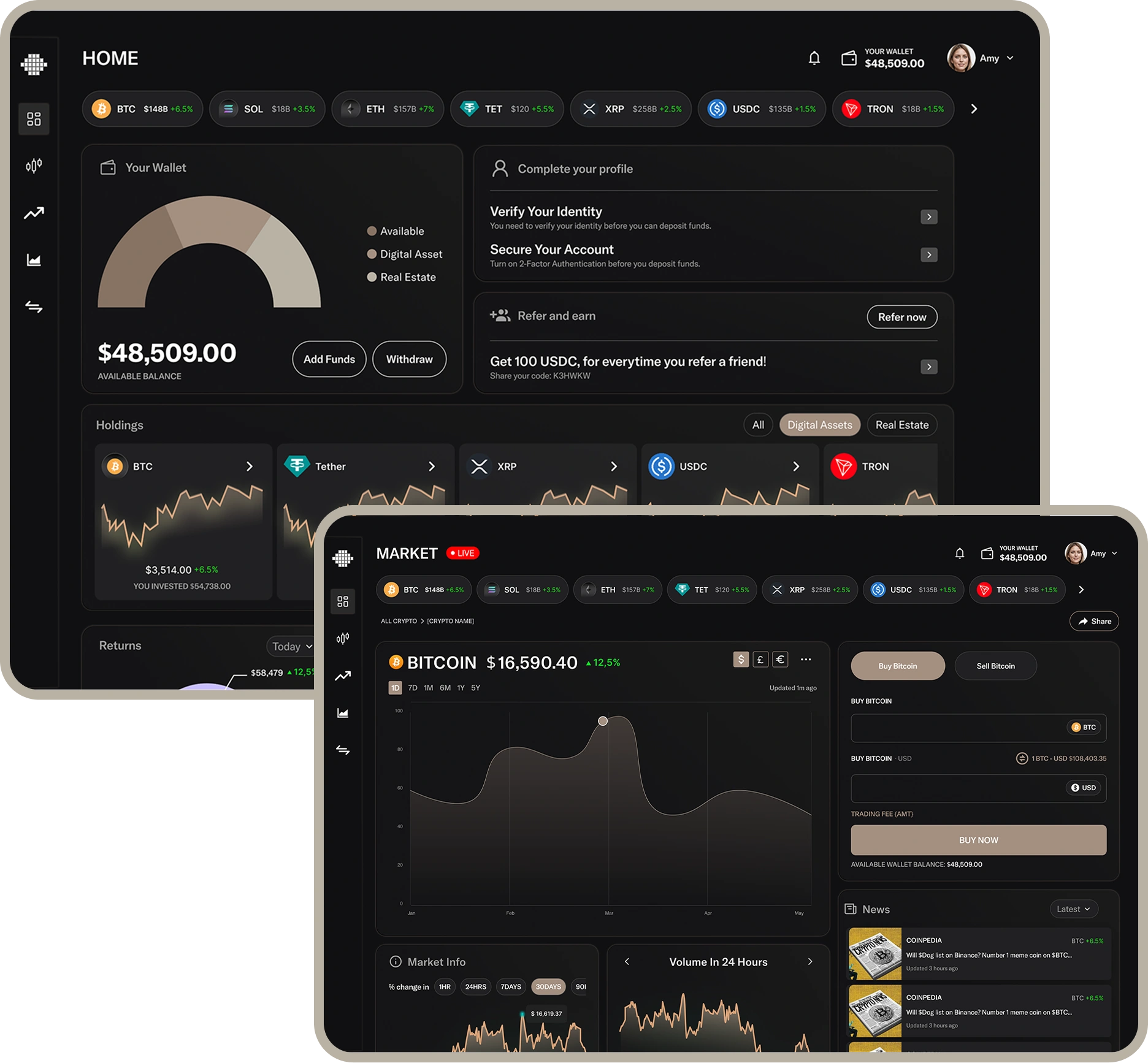
Working with Foundry 5 has been a great experience from start to finish. They seamlessly translated our vision into a website that not only showcases our brand and operations but also enhances our online presence as an investor in natural resources. Nothing was too much for them and they always put the client first.

Libby Tanswell

Libby Tanswell

CEO of Ove

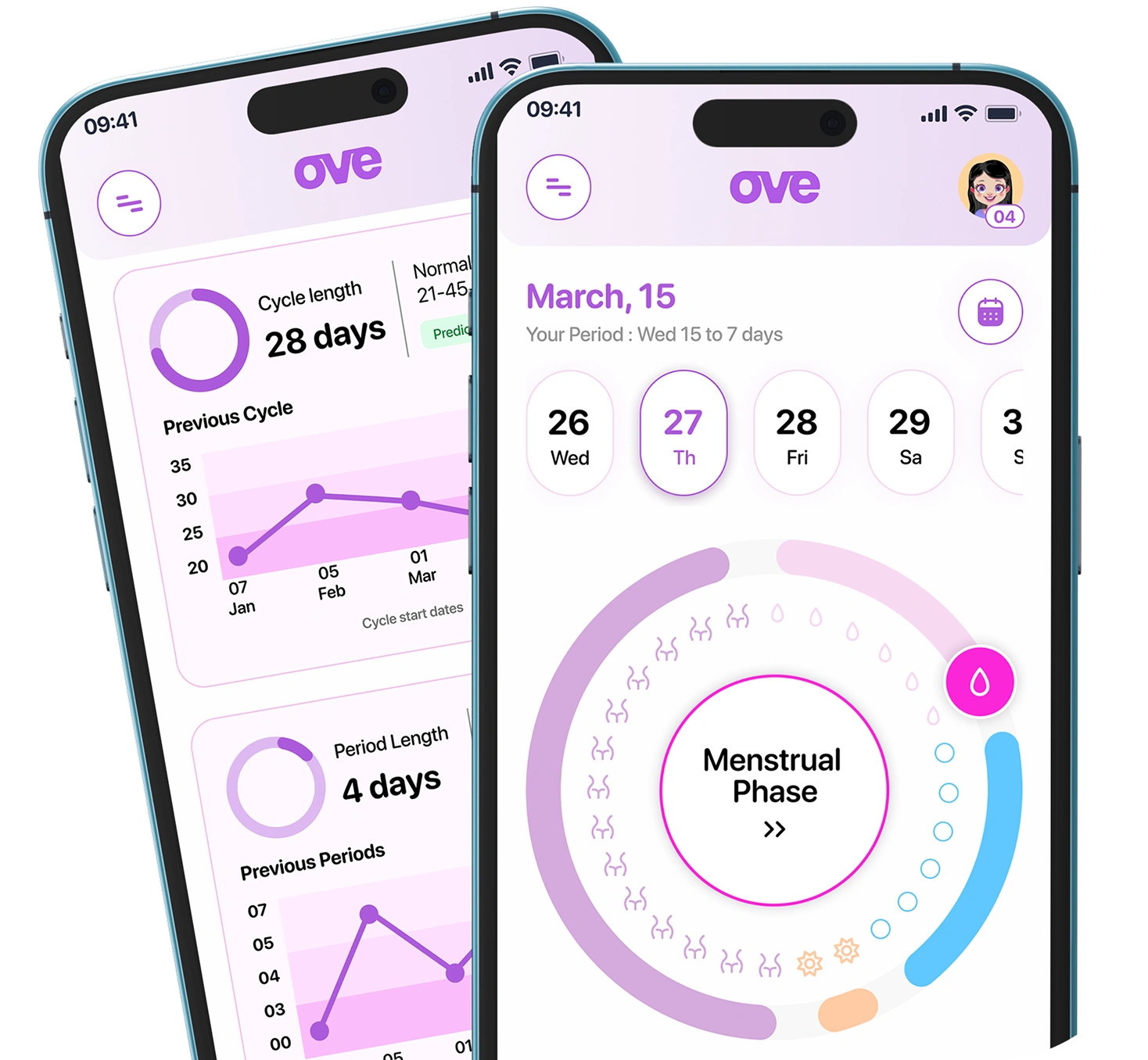
Working with Foundry 5 to create the Ove app has been an absolute pleasure. Their professionalism, work ethic, and willingness to always go the extra mile has really impressed me. I would recommend them to anyone.

Daisy Harvey

Daisy Harvey

Loom Founder

Foundry 5 have gone above and beyond to bring my vision of Loom to life. Not only this, but they continue to be an integral part of our team. They are lovely people to work with, and I recommend them to anyone looking for a software partner. Particularly for non-technical tech founders (like me!) who need to ensure that their business is in safe hands.

Chris Jones

Chris Jones

Chief Product Officer Gather

The team has been instrumental in driving both the design and development of Gather, pairing a proactive, highly responsive workflow with the technical depth needed to handle our platform's complexity. Their partnership continues to move the product forward in a reliable and impactful way.

How we compare

An honest comparison.

FeatureFoundry 5Data science freelancerIn-house
Data feasibility answered before the build
Model reaches production, not a notebook
Reproducible training pipeline
Serving infrastructure and rollback
Drift detection after launch
Benchmarked against a simple baseline
Documented so your team can own it
Honest answer when ML is not the tool
Investment

Transparent pricing. No hidden costs.

Fixed scope

Know exactly what you are paying.

Pricing for machine learning development UK teams can plan around: we scope the work, agree a price, and stick to it. The data feasibility work comes first, so if the data cannot support the model, you find out before the large commitment rather than after it.

  • Data feasibility before the full build
  • Written scope before any modelling
  • Fixed price for the agreed scope
  • Risk-free pilot on first engagement
Sprint-based

Flexibility when you need it.

Machine learning is iterative by nature: the second model is usually better than the first because of what the first one taught you. Reprioritise each sprint as the results come in.

  • Reprioritise each sprint
  • Weekly progress updates
  • Scale up or down as needed
  • Same team, continuous context
FAQ

Questions we hear often.

Anything else? Just book a call. We'd rather talk than write another FAQ entry.

Book a 30-minute discovery call →

Risk-free first project · Full refund if you’re not satisfied

AI is the umbrella term. Machine learning is the part of it where a system learns patterns from your historical data rather than following rules somebody wrote. Large language models are one kind of machine learning, and the one everyone is talking about, but they are a poor fit for a lot of problems. Fraud detection, demand forecasting, and recommendations are usually better served by classical ML: cheaper to run, easier to explain, and far more accurate on structured data.

Historical examples of the thing you want to predict, enough of them, with the outcome recorded. The volume depends on the problem: a fraud model might need tens of thousands of labelled transactions, while a forecasting model may work with a few years of clean history. What matters more than volume is that the data reflects the real world, that the labels are accurate, and that you are allowed to use it. We assess all of that in week one, before anyone trains anything.

Recommendation systems, predictive models such as churn and demand forecasting, classification, anomaly detection including fraud, and NLP over text you already hold. The common thread is a decision that gets made repeatedly and that historical data could make better.

Then we tell you in week one, and we tell you specifically what is wrong: not enough examples, missing labels, leakage between your training and test sets, or a target variable nobody has agreed on. Sometimes the answer is a data collection phase before any modelling. Sometimes the answer is that a rules engine would serve you better and cost a fraction. We would rather say that than take a budget for a model we do not believe in.

Six to twelve weeks for most production builds, depending on the state of your data and how the model has to be served. Week one gives you a feasibility answer. Weeks two to four produce a baseline and a working prototype evaluated on a holdout set. The remaining time goes into the data pipeline, serving infrastructure, and monitoring, which is the part that decides whether the model still works in six months.

It will, and that is expected. Fraud patterns change, customers change, catalogues change. We deploy with drift detection and track live performance against real outcomes, so degradation shows up in an alert rather than in a complaint. Retraining is built as a routine pipeline job from the start, not a research project you have to fund again a year later.

Yes, and it happens often. A well-written rules engine beats a model on plenty of problems, and it is cheaper to run, easier to explain to a regulator, and far easier to debug. If your problem is one of those, we will say so on the first call rather than sell you a model you would come to regret.

Ready to build?

Bring us the decision your team keeps guessing at.

Book a 30-minute call. No pitch. Tell us what you are trying to predict and what data you hold, and we will tell you honestly whether the machine learning development UK teams like yours invest in would beat what you already do today.

Risk-free first project · Full refund if you’re not satisfied